
From reporting a tenant to an actionable request.
A lessor receives requests from occupants, proximity teams and technical management personnel. To prepare for an interphonic, access control or collective television intervention, they must be brought closer to the right building and equipment. A claim describes a need; it must then be able to relate to the diagnosis, decision and passage performed.
The initial observation must remain concrete: person who does not hear the ringtone, video call without image, common door which does not open, badge which is no longer accepted or TV programs absent. The technician does not prepare the same checks depending on whether the fault is isolated to one home or shared by several inputs. The agency or site manager helps to clarify this scope before the meeting.
Identify
Building, entrance, affected function and already known elements of the installation.
Organize
Contacts, work authorization and access required for passage.
Check and follow
Checks carried out, usage feedback and points remaining to be taken up.
Intercom, access and collective TV: functions related to everyday life.
Intercom and video telephony. We prepare resumptions and developments with entrances, interior stations and connections. The call from the panel, the response from the occupant and the opening constitute a process to be controlled. To change the intercom in an apartment, the collective system and the equipment actually present are identified before choosing the replacement.
Access control. The need concerns both authorized people, badges and door operation. Denied access may require viewing the rights; an order accepted without opening also requires looking at the opening chain and the door. Changes of authorized persons and service access are prepared with the manager.
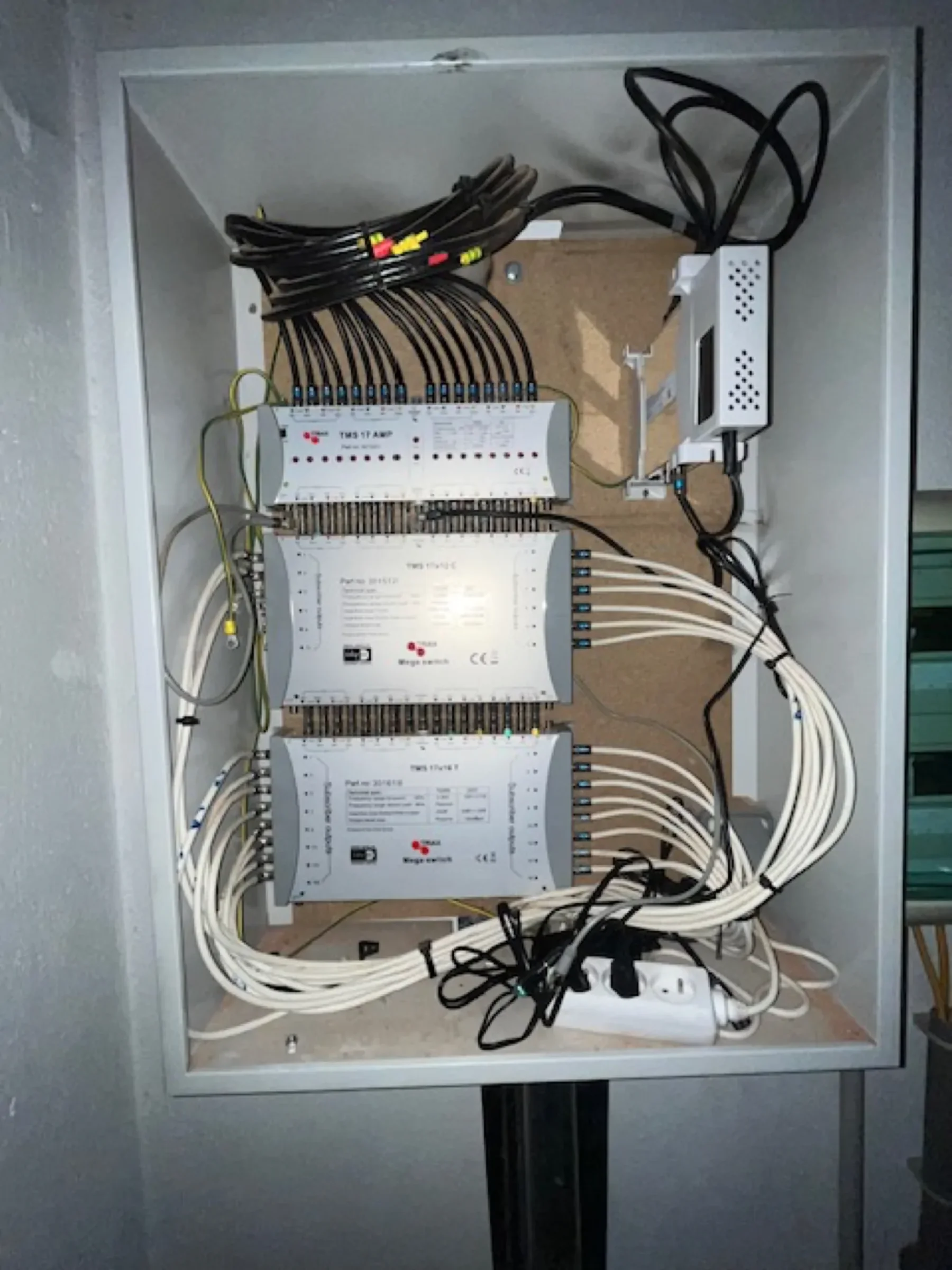
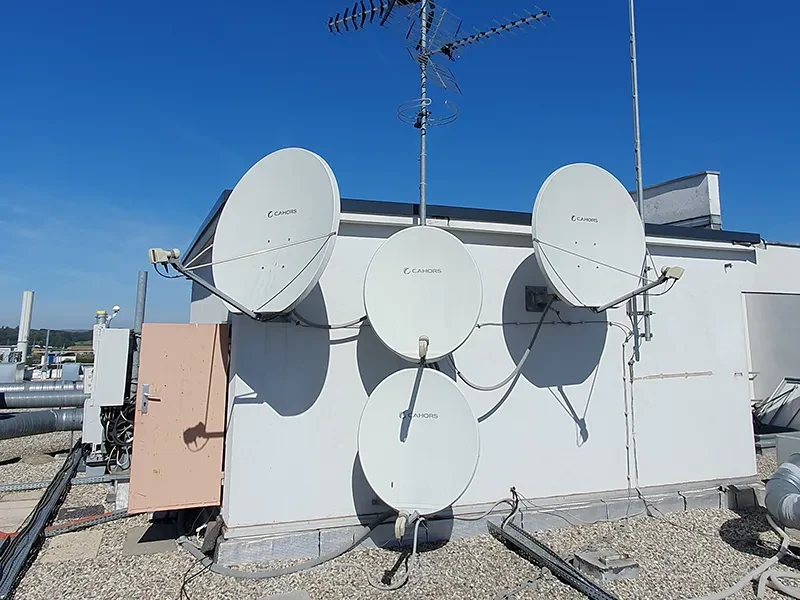
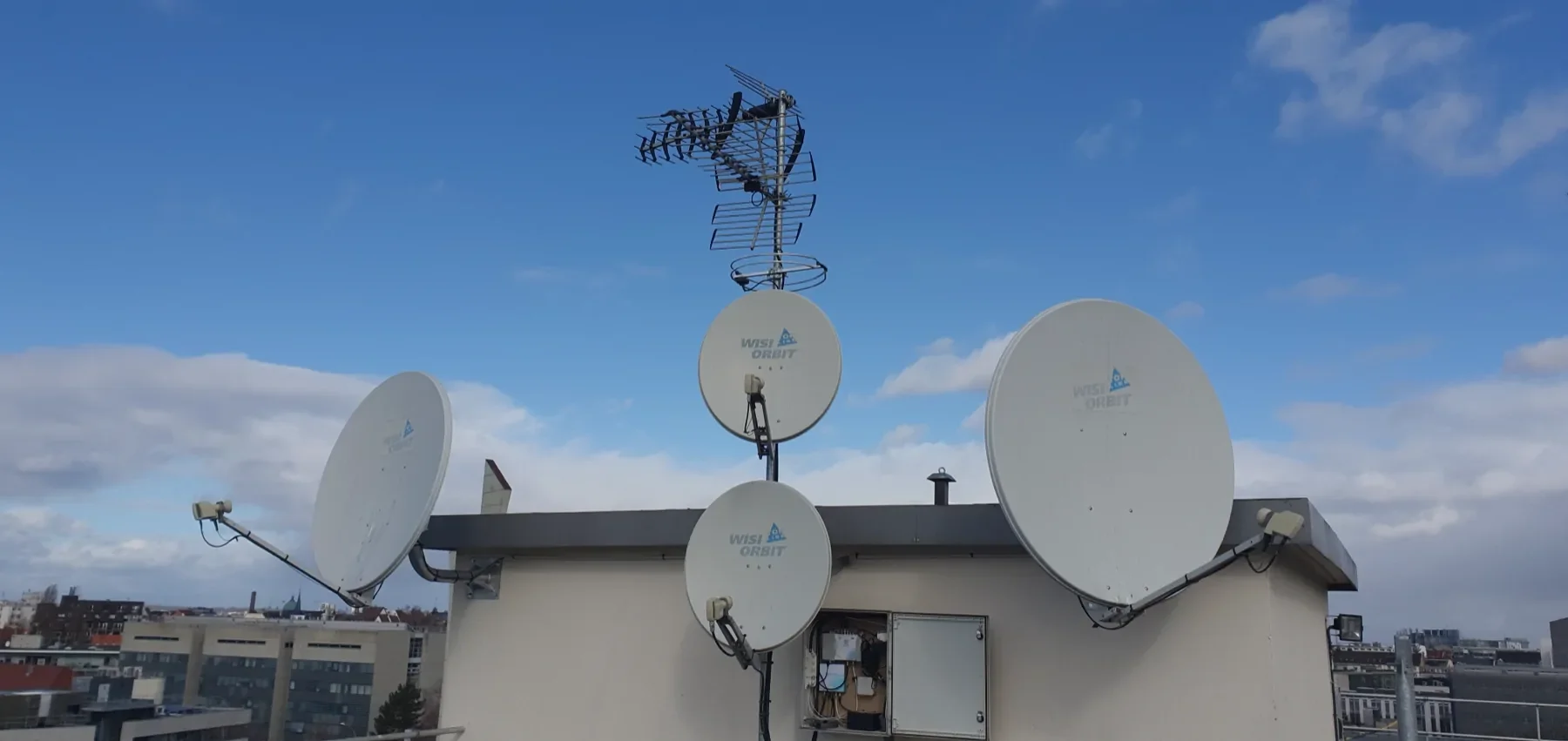
Collective TV reception. A reception defect is located in a chain: antenna, distribution, power supply and housing outlet. Diagnosis brings together symptoms of occupants and common equipment. Electrical dependencies are one of the points to consider when an incident has affected several functions of the building.
Equipment maintenance. Long-term passages benefit from retaining identification, useful photographs, modifications made and reserves. The scope of monitoring is defined with the manager according to the installations concerned and their organization.
Prepare accesses in a busy heritage.
Validation of the work does not automatically give access to all accommodation. The preparation brings together common areas, technical rooms and private meetings. You need to know who confirms the presence of the occupant, who opens a technical door and how an impossibility of access will be reported. The conditions for handing over or returning keys are agreed with the authorized persons.
When a program has several entries, a passage list helps to group operations and distinguish areas already processed from those to be reprogrammed. Expected interruptions and passage constraints must be communicated to the parties concerned. The end-of-stage check covers the functions actually tested, with an occupant or representative available when necessary.
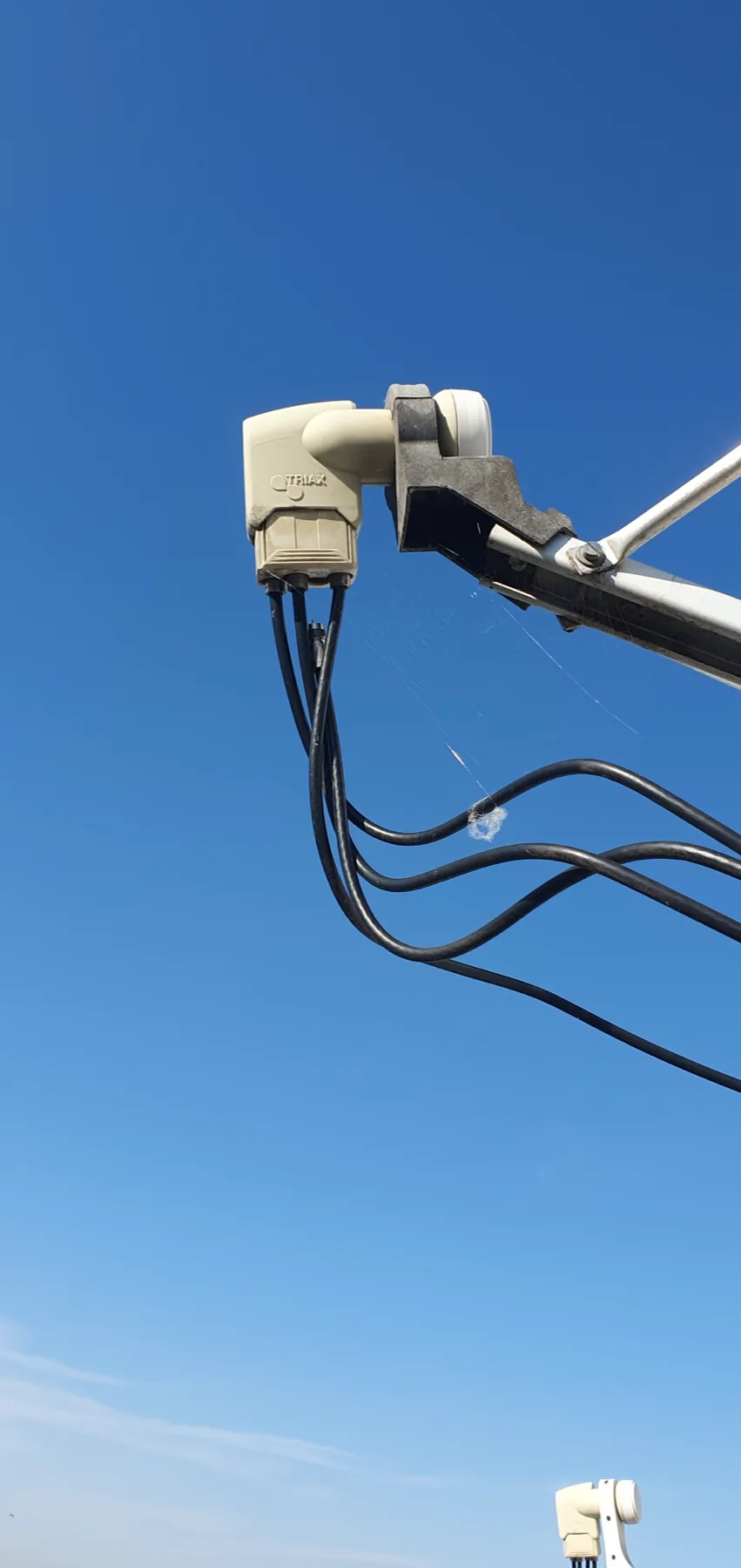
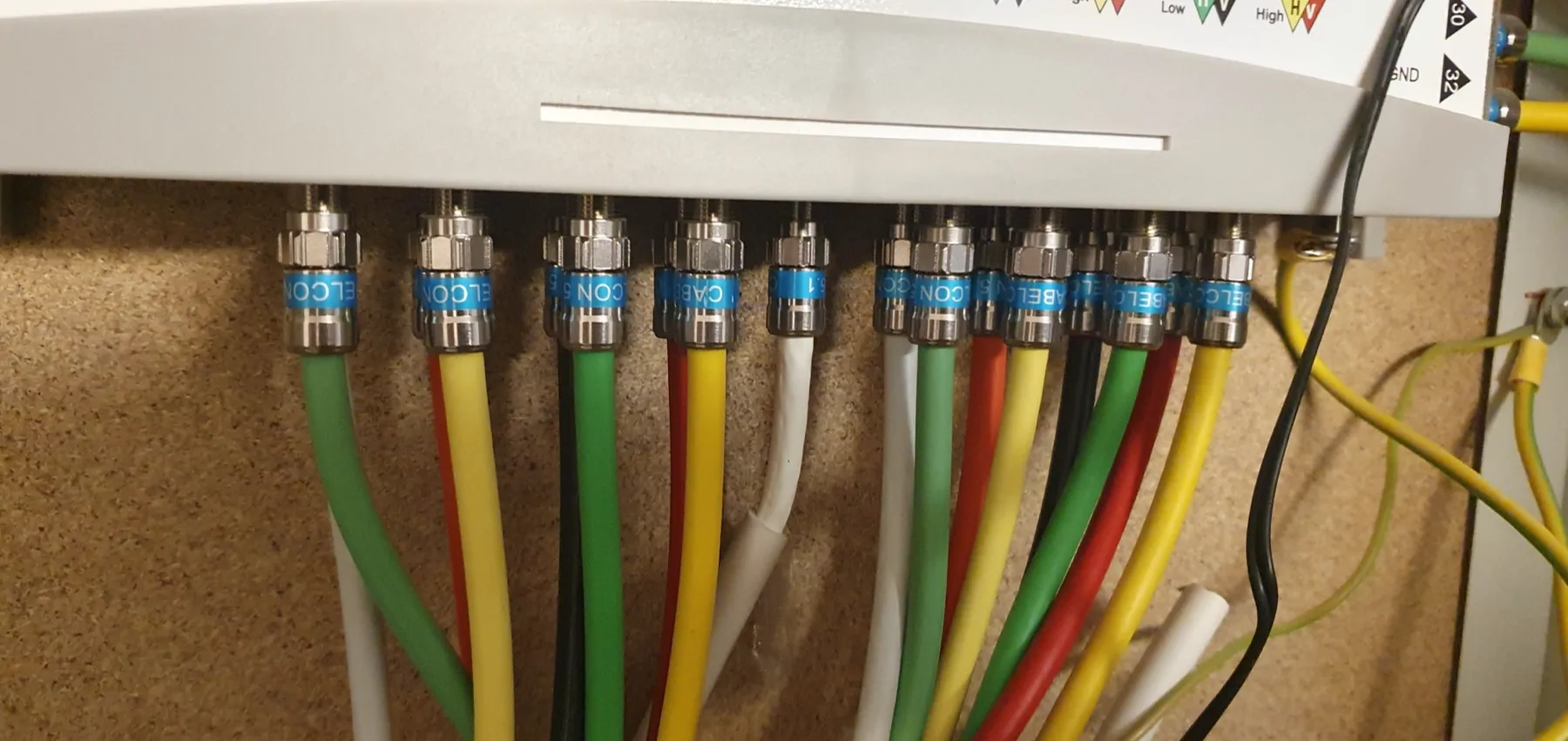
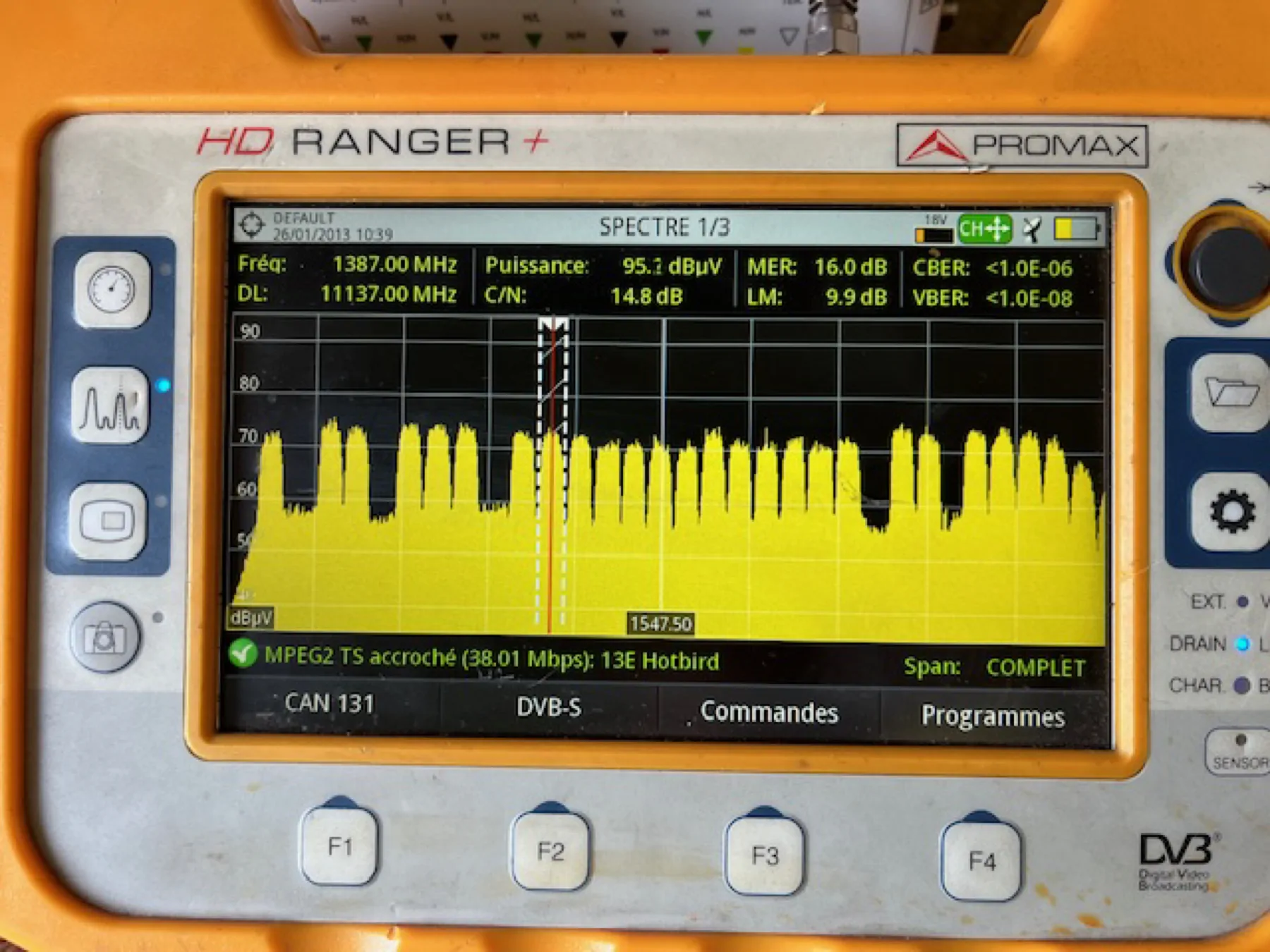
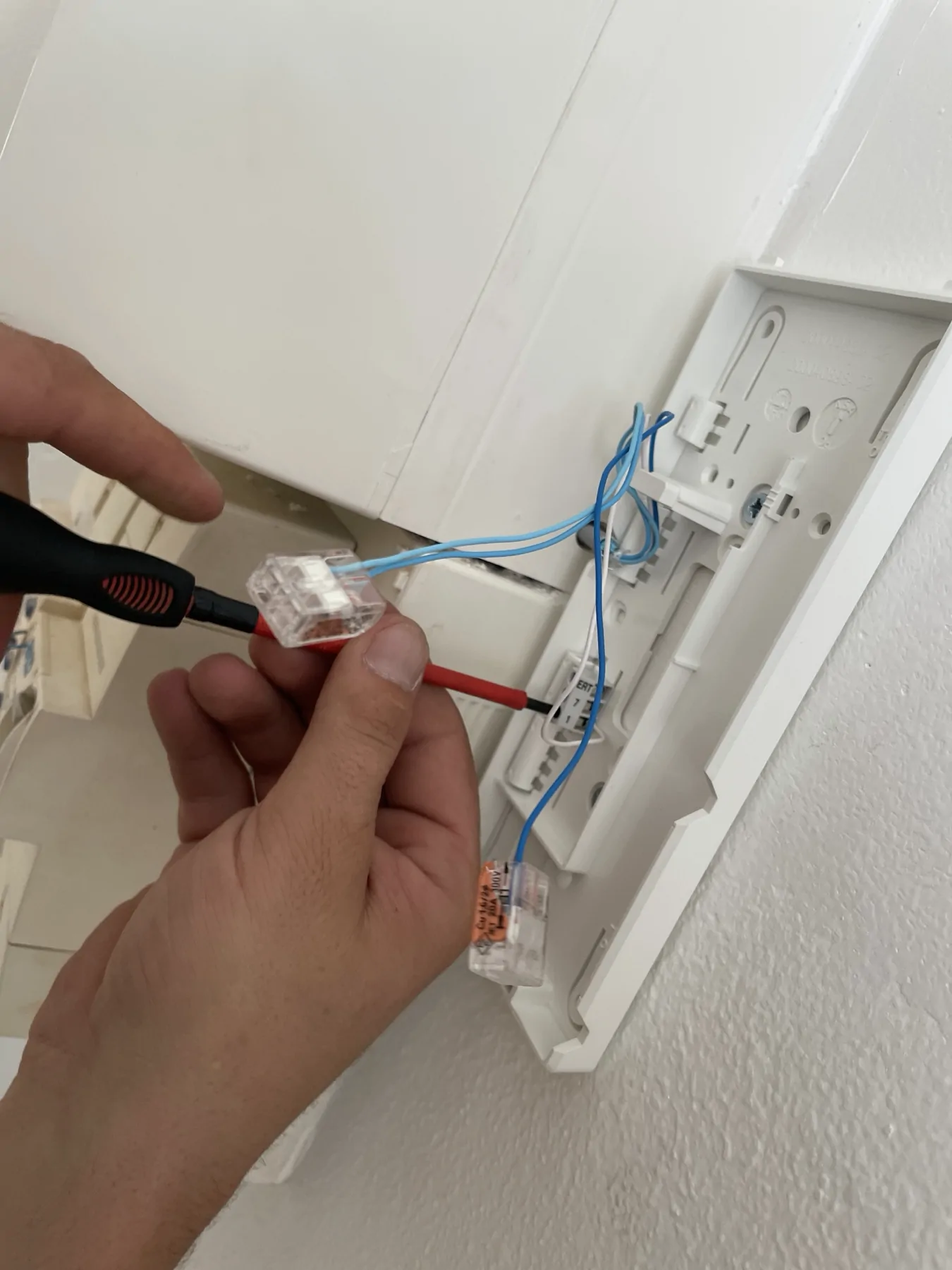
Preparing and cleaning the work area is also part of the process. The field photographs below show actual equipment and connections. They help to understand the points examined; the stories separately specify the files to which an image can be attached.
Keep a file that remains useful to the next speaker.
The same building may undergo collective renovation, housing takeovers, ad hoc replacements and maintenance requests. The follow-up should help to re-establish these steps. The reference of the demand, the equipment, the place, the access obtained and the result of the passage answer different questions; keeping them together makes the exchanges more precise.
The return to the manager can distinguish the observation, the proposal, the authorized work, the operations carried out and the points which await access or a decision. The photos are used to identify an installation, connection or rework. The reports remain attached to the work actually observed. This organization helps prepare subsequent quotes without losing the history of the installation.
If your team wishes to link this follow-up to its business tools, Developments and integrations in the Dtouch may be the subject of a separate project. For agency posts, accounts and servers, Agedis brings system competence; Cloudlab intervenes on the hosting and data center.
Collective reception: control the equipment and find use in the housing.
Discussions with the Ophéa heritage maintenance teams cover TV reception diagnostics, settings, work proposals and the organization of passages. They show the diversity of situations encountered in an occupied property: power supply, TNT or satellite reception, distribution and internal connection.
In 2023: an electrical dependency to be treated before recovery.
After a visit in October 2023, the technical feedback describes a damaged electrical column. The intervention of an electrician is necessary before continuing with the reception recovery. The diagnosis then makes it possible to identify what conditions the work and to inform the lessor.
In May 2024: describe what is actually distributed.
A visit noted the presence of the French TNT and FM, as well as the absence of an antenna for German channels. The request is not, therefore, limited to setting up a television set. The tracking brings the requested service closer to the reception equipment present, and then specifies the contact person responsible for the follow-up.
April 14, 2026: a check of the installation up to the accommodation.
A satellite intervention voucher records two satisfactory checks: that of the installation, and that of the housing. The technician and the client sign the passage. This double check brings the common technical point closer to the service tested in the home.
Other vouchers from the same period relate to out-of-service satellite amplifiers, to be replaced. Monitoring thus distinguishes between checks carried out with satisfactory results and equipment which still requires work.
In April 2026: coordinate common equipment and caretaker access.
Photographs and field feedback indicate liquid on distribution equipment. The lessor organizes a verification by its agents, then asks to contact the caretaker again for the future. This episode shows the value of photographic observation and coordination before reworking the equipment.
In the summer of 2026: distinguish between control in the commons and testing in the occupant.
A parabola setting is made and the signal is controlled at the accessible point in the common areas. The dwelling could not be tested during the passage, as the occupant was absent. A subsequent return of the lessor indicates that his difficulty persists and leads to re-contact. The measure in common and the validation of use in housing are two complementary controls to be organised.
What this monitoring brings to the preparation of subsequent requests.
The file reconciles the report, the diagnosis, the estimate, the authorization of the work and the passage. Exchanges of service orders and monitoring tables accompany this organization with the lessor's teams. The elements to be included are identified at their level: access, common equipment, connection or testing in the accommodation.
These distinct episodes provide a concrete framework for preparing interventions on collective reception. They show why user history, access and feedback must remain linked to technical findings.
Experience from monitoring exchanges with the maintenance of Ophéa assets, from 2023 to 2026. The locations and occupants are anonymized.
Real equipment and controls.
The photographs in file Ophéa show the points described in their captions; they do not present a current state of all the heritage.
Other situations in buildings.
Coordination also counts in the return of residents.
After an intercom installation on January 31, 2025, a customer thanks the team for its professionalism and efficiency. His email of February 4 highlights the success of the intervention despite the necessary coordination between tenant, owner and trustee.
Return by email of February 4, 2025 · paraphrased and anonymized testimony.