
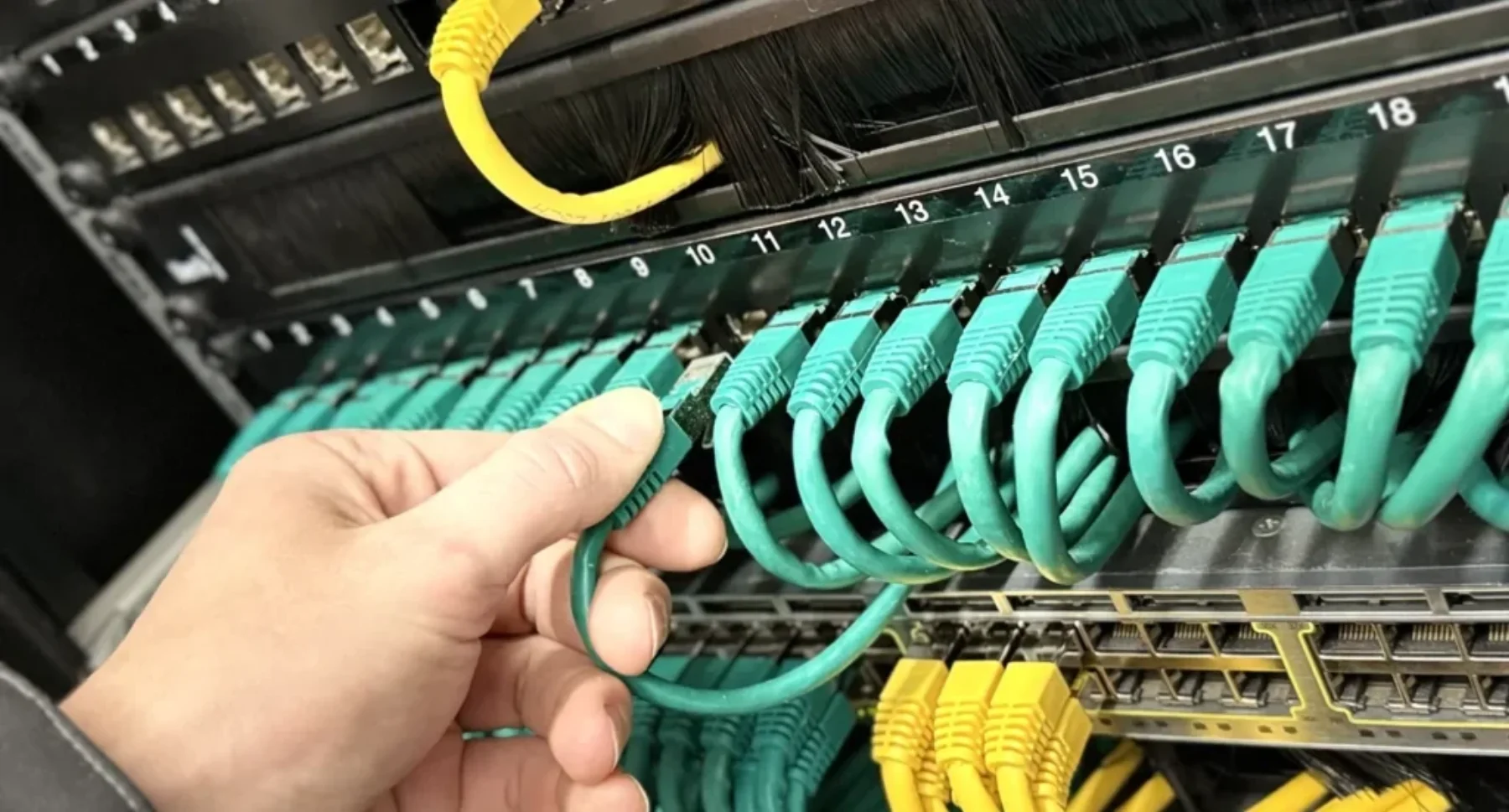
Starting from the uses and constraints of the place
List the spaces concerned and what must work there: television, telephone, Wi-Fi, sound system, intercom or access. Identify the times when intervention is possible and the premises which must remain accessible. The needs of reception, maintenance and users are not always the same; bringing them together avoids discovering a constraint when passing.
Describe what already exists
Collect available plans, known references and previous changes. Check on site the paths, ducts and access to the equipment. An existing network may facilitate a project, but its status and use must be reviewed before it is re-used. Where more than one network exists, specify which one relates to each equipment.
Divide tasks among stakeholders
The passage of a cable, its connection, the supply of equipment and its configuration can be the responsibility of different people. Describing these service limits helps prepare for appointments. For the sound system, for example, the cable entries and the position of the speakers are coordinated with the ceiling work. For IP equipment, the field team must know their IT contact.
Preparing for continued activity
Break the project into understandable stages and identify services that depend on the same equipment. Inform the people concerned when an outage is planned. Keeping the premises clean, protecting passage areas and organizing access to rooms or offices is part of the preparation, just like the technical settings.
Provide for further installation
Maintain a clear identification and useful information for a future intervention. Verify with users the expected functions and explain the necessary commands to them. Access to equipment for maintenance must remain possible after finishing touches. A well-prepared site leaves an installation that is easier to follow over time.
A preparation sheet to share before the appointment
Preparation is most useful when it results in information that everyone can consult: the site manager, the reception or manager, the field team and other companies involved. The same file can bring together the need, the accessible premises and the decisions to be validated, without mixing these elements with confidential access.
| To be provided | Examples of useful information |
|---|---|
| Spaces and services | Rooms, offices or common areas; TV, Wi-Fi, access or sound system affected. |
| Availability | Possible times, temporarily free spaces, person who confirms access. |
| Dependencies | Common equipment, power supply, network and functions that a cut-off could affect. |
| Other speakers | Electrician, architect, carpenter, network administrator or publisher concerned. |
| Expected decisions | Location, support, screen size, audio zone or door operation. |
| End of stage control | Features to try, available user and how to note reservations. |
Distinguish what is decided from what remains to be confirmed
A plan indicates a location, but the space required for the installation may still require an audit. A quote can be accepted while a window of access is not fixed. A control can validate a function and leave a separate defect to be repeated. Note these statements separately makes the follow-up more accurate: to study, validated, programmed, realized or to be repeated do not describe the same step.
The witness room of a hotel under renovation illustrates this approach. The installation and the on-site exchanges led to the adaptation of the supports and a television size. The choices were validated for the defined rooms, while the remaining spaces remained open. The representative step allowed to decide with the real place.
Preparing for restitution before passage
Provide who will receive the return, the expected results and how to report the remaining actions. The report may bring together the areas covered, the equipment concerned, the checks carried out and the reserves. If the manager or user is to repeat a test, specify the function and time of the test. A useful photo of connection or location should be used to track the file, without exposing private persons or information.
These practices are observed in field experiments : Wi-Fi installation in busy hotels, intercom coordination or audio design with several professions. They provide a preparation framework to adapt to your project.
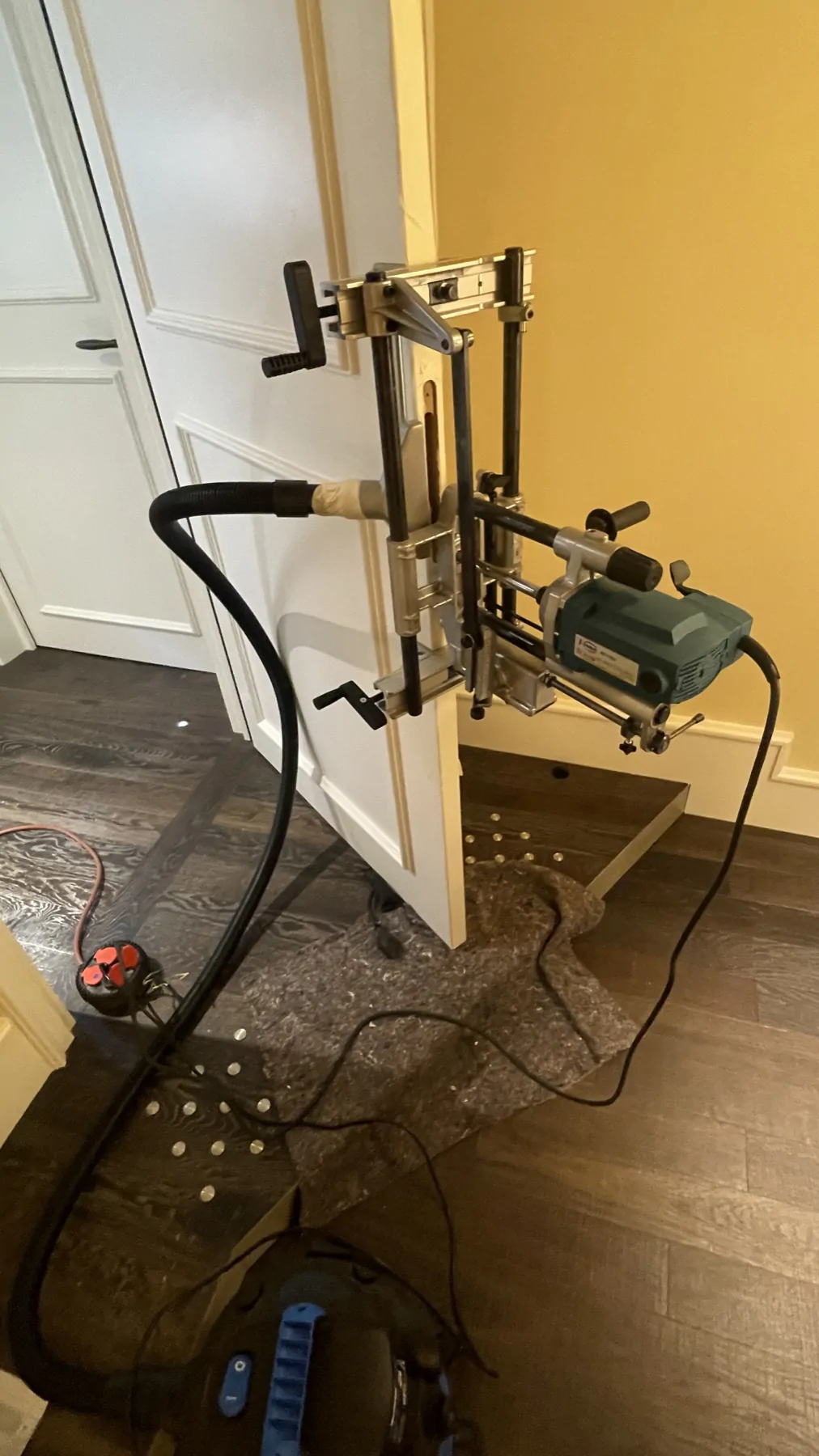
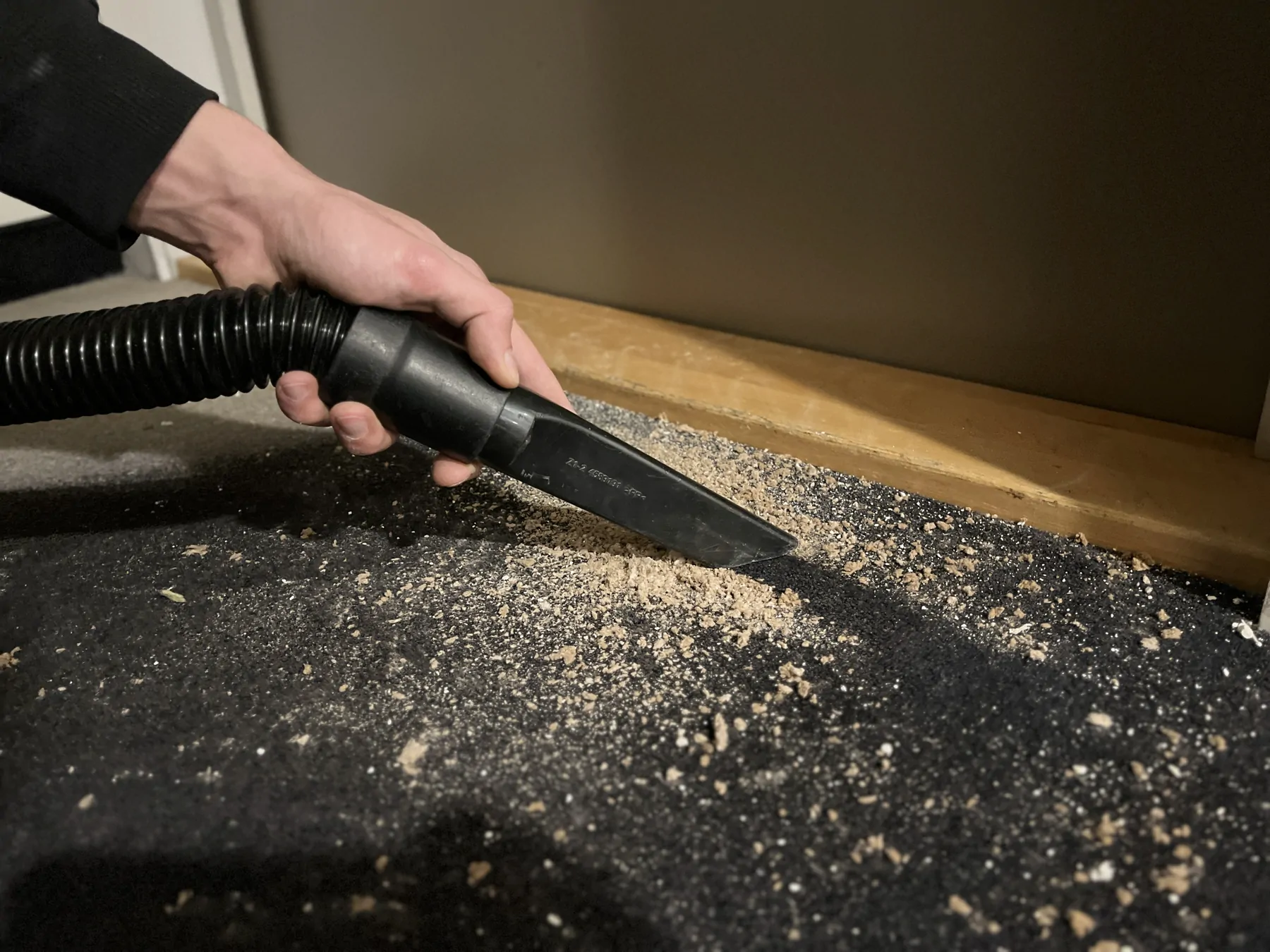
Mechanical preparation and site care.
For condominiums and apartment buildings.
Passing through a building may require opening a technical room and agreeing to a test with an occupant. The guide dedicated to interventions in occupied buildings details the preparation of the report, appointments, housing history and controls to be kept with the manager.